SDM Success Stories
SDM Success Stories
People all over the country are using SDM to live the lives they choose. You can, too!
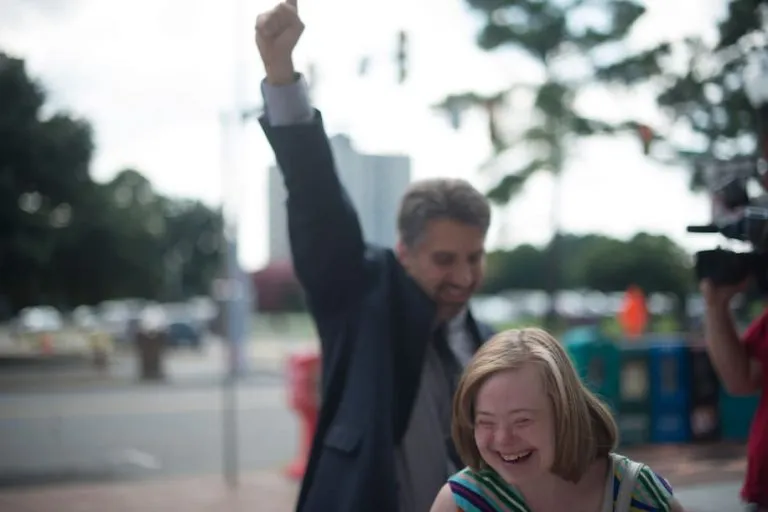
Jenny became the first person in the US to win the right to use SDM after a trial! Today, with the help of her friends and supporters Jenny uses Supported Decision-Making to show the world that people with disabilities can choose where they live, work, and thrive.
Jenny’s story shows that SDM isn’t just a concept — it’s real life. It’s about having the right to decide, the support to act, and the dignity to grow.
After Jenny won her case, she became the face and voice of the Jenny Hatch Justice Project, which provides information and resources about Supported Decision-Making and supports people who want to use supported decision-making in their lives.
Janie and Suvya
Janie and Suvya live together in Durham, North Carolina. They support each other using Supported Decision-Making. As a result, neither of them has a guardian, and they are able to live independently and make their own decisions.
Kerri Thornber
Kerri is a woman with multiple disabilities who lives in Rhode Island. At 41 years old, her mother had been her guardian since she had turned 18 – for 23 years. Kerri was living in a shared living arrangement with a provider who assisted her with some of her daily activities.
But Kerri wanted to be her own guardian. Her mother agreed that her daughter was capable of take charge of her decision-making. In addition to her shared living provider, Kerri also had the assistance of a Representative Payee, who helped her manage the financial benefits she received from the Social Security Administration.
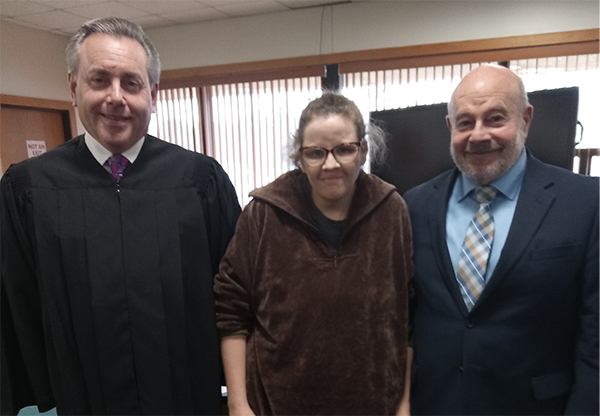
When Kerri met with one of the attorneys from DRRI, she told him about her years-long goal to be relieved of her guardianship and be her own person. She said she felt sure she could manage her own decisions with a little help. Until then, Kerri had never heard of Supported Decision-Making. Her DRRI attorney explained all about SDM, to her and her shared living provider who had accompanied her. Kerri was excited to hear about this option and wanted to move forward immediately with a SDM Agreement. After working with her attorney to put together a thoughtful agreement, and submitting it to a RI probate judge with a request to terminate her guardianship, the judge released her from her decades-long guardianship on March 28, 2024. At the same time, her SDM Agreement was signed and made official. Kerri was thrilled and told us how happy she was with her accomplishment! She posed for the picture shown with Brian Adae and Judge Stephen J. Angell on the day of her freedom.
Ryan King
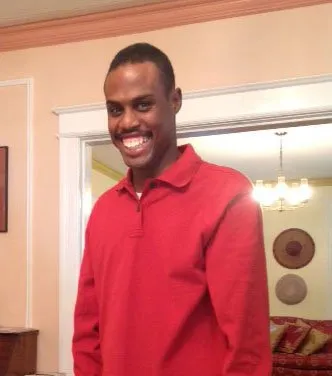
When Ryan turned 18, his parents were told they had to become his guardians. They didn’t want to do this. They wanted Ryan to be as independent as possible, but thought they had no choice. Still, they empowered Ryan to make his own decisions.
When they learned about Jenny Hatch’s case, they went to court, like Jenny did, to ask the court to end Ryan’s guardianship so he can use SDM. Ryan became the first person in Washington DC to win the right to use SDM.
Linda Van Wormer
Linda had been in guardianship for years. But she and her guardian, her sister, decided together that Linda could use Supported Decision-Making to make her own decisions and direct her own life without a guardian. They went to court to ask the judge to remove her guardianship and won.
Youth Voices from Center on Youth Voice, Youth Choice
The Center on Youth Voice, Youth Choice shares many stories of young people, called ambassadors, who used SDM instead of guardianship.
These stories show the many ways in which SDM helps young people build independence, use their voice, and shape their lives — not have decisions made for them. There are many more stories included in this showcase of young ambassadors who utilize Supported Decision-Making in their daily lives. You can read about them here.
Why These Stories Matter
- They show how SDM works in real life — not just in laws or forms.
- They demonstrate choice, support, and growth.
- They help people see: Yes, this can work for me or my loved one.
- They reinforce the value of the “dignity of responsibility” — the idea that making decisions, even ones others might not agree with, is part of human growth.
If you are interested in learning more about Supported Decision-Making, please contact DRRI, or submit an online intake form here.